October 21, 2026
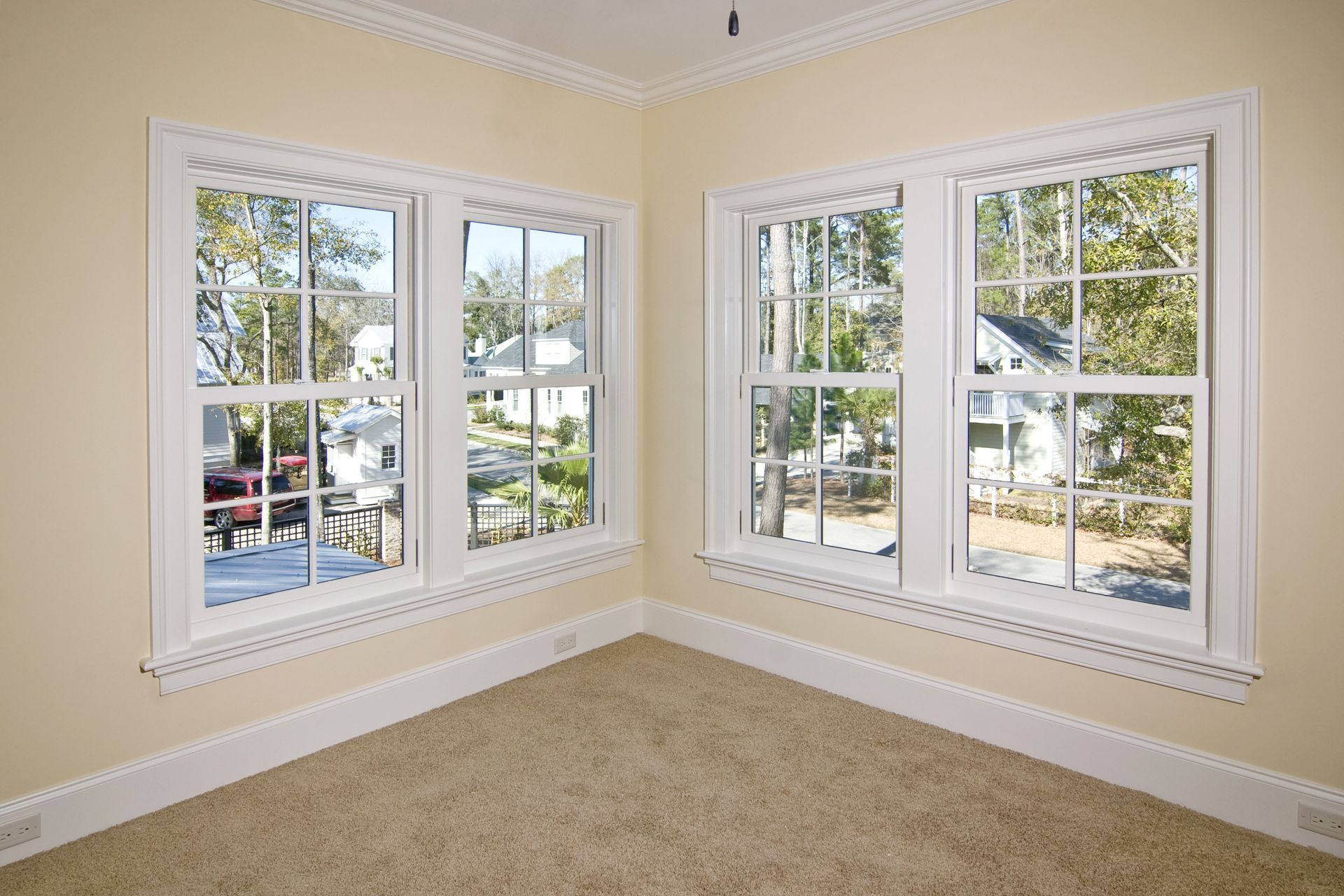
Your home's original windows have likely served you well for years, but no window lasts forever. Over time, seals break down, frames shift, and materials that once kept the weather out start letting it in. The trouble is that window problems often develop gradually, so many homeowners don't realize how much their aging windows affect their comfort until the issues become impossible to ignore. Knowing what to watch for can help you decide when replacement windows make more sense than another round of patches and repairs. Recognizing these warning signs early can also help you plan the project on your own schedule instead of scrambling after a failure.
Below, we'll walk through five tell-tale signs that your original windows have reached the end of their useful life, along with why each one matters for your home's comfort, efficiency, and value.
1. You Feel Drafts Near Closed Windows
If you can feel a chill when standing near a window that's fully closed and locked, your windows aren't doing their job. Drafts usually stem from worn weatherstripping, failing seals, or frames that have shifted as your home has settled. While caulk and new weatherstripping can buy a little time, they rarely solve the problem for good when the window itself has started to deteriorate.
A simple way to check is to hold a lit candle or a stick of incense near the edges of the window on a breezy day. If the flame flickers or the smoke drifts sideways, air is moving through gaps that shouldn't be there. Drafts make rooms feel uncomfortable, force your HVAC system to run longer, and can even let in dust, pollen, and moisture.
Quality replacement windows eliminate these gaps with tight-fitting frames and modern seals designed to keep outdoor air outside where it belongs. According to This Old House, more than 95% of homeowners report being satisfied with their replacement windows, often pointing to fewer drafts, quieter rooms, and greater overall comfort. That level of satisfaction shows just how noticeable the difference can be once old, leaky windows are gone.
2. You Notice Fog Between the Panes
Many original windows feature double-pane glass, with an insulating layer of air or gas sealed between the panes. When the seal around that space fails, moisture sneaks in and leaves a cloudy or foggy appearance that you can't wipe away from either side. You might also notice streaks, water droplets, or a milky film trapped inside the glass. In some cases, the fog only appears at certain times of day as temperatures change, so check your windows in both the morning and the afternoon.
Condensation on the interior surface of a window during cold weather can be normal, especially in humid rooms like kitchens and bathrooms. Fog between the panes is different. It means the insulating seal has broken, and the window has lost much of its ability to block heat transfer. Once a seal fails, the glass can't regain its original performance, and the trapped moisture can eventually damage the surrounding frames and sills. Fogging also tends to worsen over time, sometimes leaving permanent mineral deposits that etch the glass.
Rather than living with obstructed views and reduced efficiency, many homeowners find that replacement windows offer a more practical long-term fix than attempting to restore failed glass units one at a time.
3. You Struggle to Open, Close, or Lock Them
Windows should open smoothly, close fully, and lock securely without a wrestling match. If you have to force a sash up, jiggle a latch, or prop a window open with a book, something has gone wrong. Swollen wood, warped frames, broken balances, and worn hardware are common culprits in older windows. Years of seasonal expansion and contraction can also throw a window out of square, making smooth operation nearly impossible.
This issue goes beyond inconvenience. Windows that won't open easily can pose a serious safety hazard in an emergency, especially in bedrooms where they may serve as an exit point. Windows that won't lock properly also leave your home more vulnerable to intruders. Painted-shut sashes, which are common in older homes, create the same concerns.
Modern replacement windows feature durable materials and smooth operating mechanisms that resist sticking and swelling, so you can open and secure your windows with ease for years to come.
4. You See Rising Energy Bills
Has your heating and cooling bill crept higher even though your habits haven't changed? Aging windows may be to blame. Single-pane glass, failed seals, and drafty frames allow heated or cooled air to escape, which means your HVAC system has to work harder to keep your home at a comfortable temperature. Over the course of a year, that wasted energy can add up to a noticeable share of your utility spending.
In our experience, windows that are 20 years old or more tend to lag well behind today's energy-efficient options. Newer windows often include features like low-emissivity coatings, insulated frames, and gas-filled panes that help regulate indoor temperatures through every season. You may also notice that certain rooms always feel too hot in the summer or too cold in the winter, which is another sign your windows are letting outdoor temperatures dictate your comfort.
Investing in replacement windows can help you reduce energy waste, ease the strain on your heating and cooling equipment, and create more consistent temperatures from room to room.
5. You Spot Rot, Warping, or Frame Damage
Take a close look at your window frames and sills, both inside and outside your home. Soft spots, peeling paint, cracks, discoloration, or wood that crumbles when you press on it all point to rot or moisture damage. Vinyl and aluminum frames can also warp, crack, or corrode over time, especially after years of exposure to sun, rain, and temperature swings. Pay special attention to the bottom corners of sashes and sills, where water tends to collect and linger after storms. Insects such as carpenter ants and termites are also drawn to softened wood, which can turn a window problem into a much larger headache.
Frame damage rarely stays contained. Moisture that seeps into a rotting frame can spread to the surrounding walls, insulation, and siding, leading to mold growth and costly structural repairs. Warped frames also prevent windows from sealing properly, which brings back the drafts and energy loss mentioned earlier.
If the damage is widespread or affects multiple windows, replacement windows are usually a smarter investment than repeated patch jobs. A professional assessment can help you determine whether the problem is isolated or a sign that your windows have reached the end of their life span.
Your windows play a major role in how comfortable, efficient, and secure your home feels every day. If you've noticed drafts, foggy glass, stubborn sashes, rising energy costs, or damaged frames, your original windows may be telling you it's time for an upgrade. Even a high-quality product won't perform as intended without proper installation, which is why working with experienced professionals matters. A skilled installer will measure accurately, seal each opening correctly, and make sure your new windows deliver the comfort and efficiency you expect.
Ready to explore replacement windows for your home? At T & G Enterprise, we're a family-owned team with 14 years of experience helping homeowners enjoy more comfortable, energy-efficient living spaces. Contact us today to schedule your inspection and learn how our replacement windows can improve your home's comfort and value.